What is slab, beam, column, and footing construction?
Business12 Jun 2024


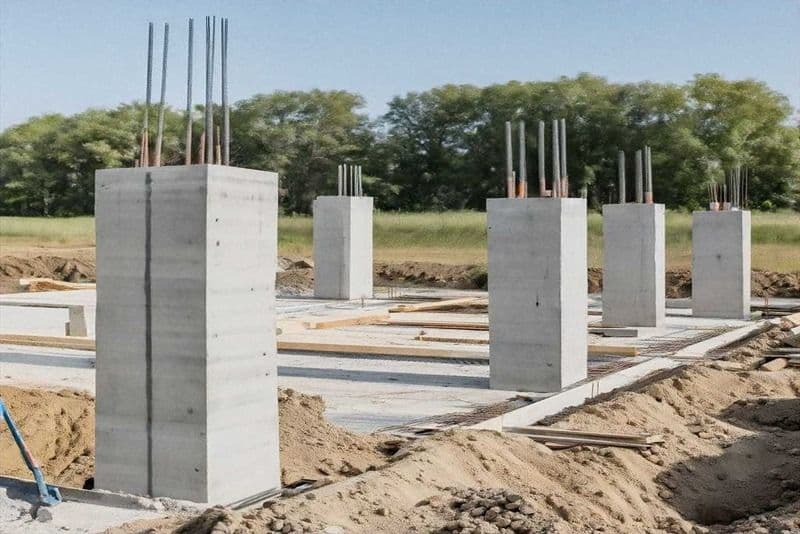
Construction is an intricate process that involves numerous components working together to create a stable, durable structure. Slabs, beams, columns, and footings ensure the structural integrity of buildings. In this blog, we will delve into the specifics of each element and the materials commonly used, focusing on mild steel (MS) and its properties.
Slab construction
What is a slab?
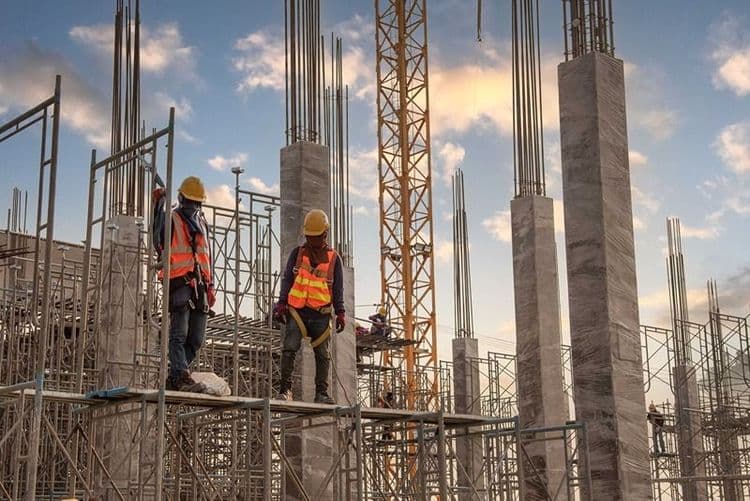
A slab is a flat, horizontal structural element that creates building floors and ceilings. It provides a solid surface and distributes loads to the underlying beams and columns. Slabs are typically made from reinforced concrete, which offers excellent compressive strength.
Types of slabs
- One-way slab: supported by beams on two opposite sides, where loads are transferred in one direction.
- Two-way slab: supported by beams on all four sides, distributing loads in two directions.
- Flat slab: directly supported by columns without beams, ideal for commercial buildings.
- Hollow core slab: precast slabs with hollow sections to reduce weight and improve efficiency.
Materials used
Steel reinforcement is critical in slab construction. Mild steel (MS), known for its ductility and strength, is often used as reinforcing bars (rebars). The price of mild steel per kg can vary based on market conditions but is a significant factor in the overall construction cost.
Beam construction
What is a beam?
A beam is a horizontal structural element that supports loads from the slab and transfers them to columns and footings. By resisting bending forces, beams are essential for maintaining a building's structural integrity.
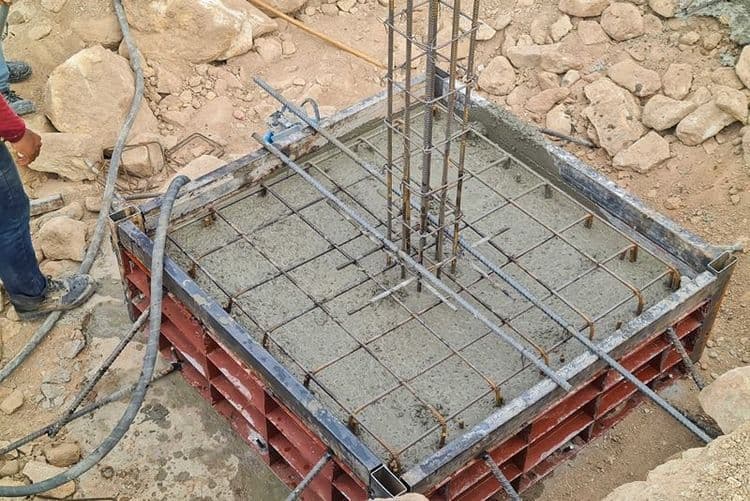
Types of beams
| Types of beams | Full name | Specifications | Common uses |
| ISMB | Indian Standard Medium Weight Beams | Specified by BIS, medium weight I-sections, standard flange width | General structural purposes in India |
| UB | Universal Beams | I-shape with parallel flanges, British standards | Residential, commercial, and industrial buildings |
| HE | European Wide Flange Beams | HEA (lightweight), HEB (standard), HEM (heavyweight), European standards | High load-bearing capacity, used widely in Europe |
| NPB | Narrow Parallel Flange Beams | Narrow flange width compared to depth | Structural applications requiring narrow flange widths |
| WPB | Wide Parallel Flange Beams | Wider flange compared to NPB | Larger and heavier structures, applications with large spans or heavy loads |
Materials used
Beams are often made from steel due to their high strength-to-weight ratio. Mild steel is commonly used, offering a balance of strength, flexibility, and cost-effectiveness. The mild steel price per kg is a crucial consideration in budgeting for beam construction.
Column construction
What is a column?
A column is a vertical structural element that transfers loads from the beams and slabs to the footings. Columns are essential for supporting a building's weight and maintaining its stability.
Types of columns
- Rectangular or square columns: common in residential buildings for their simplicity and ease of construction.
- Circular columns: often used in high-rise buildings and bridges due to their aesthetic appeal and uniform load distribution.
- L- and t- shaped columns: used in corner and T-junctions of structures to support adjacent walls and beams.
Materials used
Steel columns provide significant advantages due to their strength and ability to withstand compressive loads. Mild steel, known for its excellent properties, is a preferred choice in column construction.
Footing construction
What is a footing?
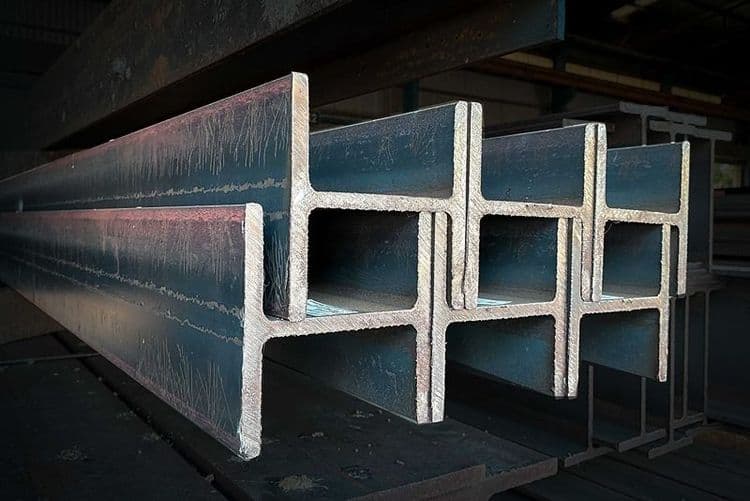
Footings are the foundational elements that distribute the structure's load to the soil. They are critical in preventing excessive settlement and ensuring the building's stability.
Types of footings
- Strip footing: a continuous strip of concrete supporting load-bearing walls.
- Isolated footing: supports individual columns, typically used in residential buildings.
- Raft footing: large continuous slab supporting multiple columns and walls, ideal for poor soil conditions.
- Pile footing is used when the soil is weak. It involves long columns (piles) driven deep into the ground.
Materials used
Footings are usually made from reinforced concrete, incorporating steel reinforcement to enhance tensile strength, ductility and durability. Due to their favourable properties, mild steel rebars are commonly used in footing construction.
Steel in construction
Steel is a fundamental material in modern construction, known for its versatility and strength. Steel beams, such as ISMB, NPB, WPB, and UB, are used based on specific structural requirements. Mild steel is widely used due to its balance of strength, ductility, and affordability. The properties of mild steel, including its tensile strength and resistance to corrosion, make it an ideal choice for reinforcing concrete elements.
Mild steel properties
- Ductility: allows for significant deformation before failure, providing warning signs of structural issues.
- Strength: offers high tensile strength, used in reinforcing concrete structures.
- Cost-effectiveness: relatively low cost per kg compared to other materials, making it a popular choice in construction.
A stable building structure relies on slabs, beams, columns, and footings working together to support loads and ensure stability. Slabs make up the floors and ceilings, distributing loads to the beams. The beams then transfer these loads to the vertical columns, which carry the forces down to the footings. Footings spread these loads over a larger area to prevent excessive settlement and ensure the structure remains stable. This hierarchical load transfer—from slabs to beams to columns to footings—ensures effective and safe distribution of loads to the ground, maintaining the building's integrity.