How to avoid the cracks in a wall or column for high-strength concrete?
Product25 Jul 2024


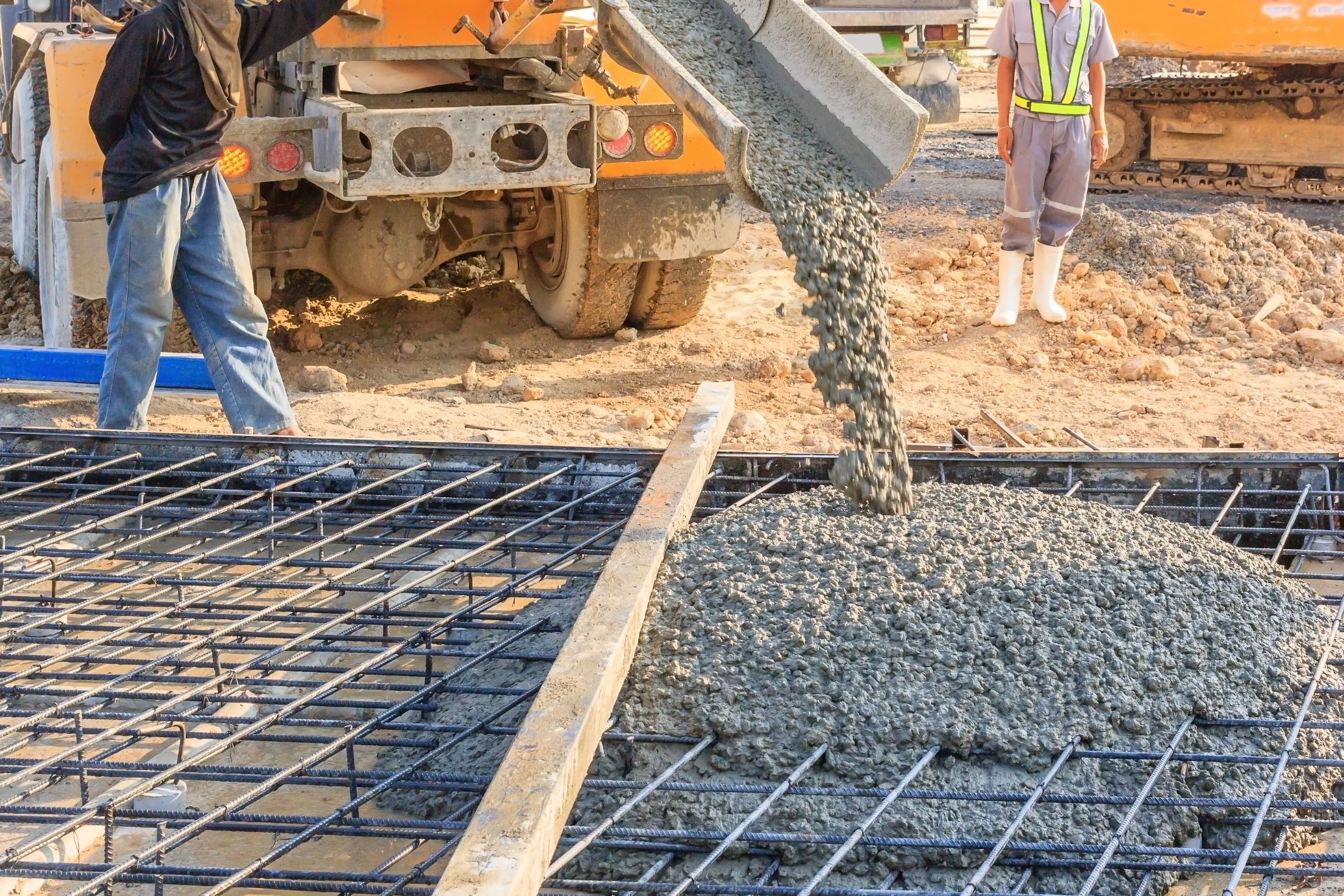
High-strength concrete (HSC) is an indispensable material in contemporary construction, lauded for its enhanced durability and superior load-bearing capacity. However, a prevalent issue with HSC is the occurrence of cracks in walls and columns. These cracks not only mar the aesthetic appeal but also undermine the structural integrity of buildings. This blog delves into the technical strategies to avert cracks in high-strength concrete structures, ensuring longevity and robustness in construction.
Understanding the causes of cracks
Before addressing prevention methods, it is crucial to comprehend the primary causes of cracks in high-strength concrete:
- Shrinkage: as concrete cures, it undergoes volumetric changes. Drying shrinkage is particularly significant and can lead to tensile stresses that result in cracking if not properly managed.
- Thermal expansion and contraction: concrete expands and contracts with temperature variations. If these movements are restrained, they induce stresses that can cause cracking.
- Improper concrete mix: an incorrect proportion of building materials can produce weak concrete prone to cracking.
- Inadequate curing: curing is essential for strength development in concrete. Insufficient curing can lead to early-age shrinkage and cracking.
- External loads: excessive loads beyond the design capacity can cause stress and cracks in reinforced concrete structures.
Strategies to prevent cracks
To mitigate the risk of cracks in walls or columns, the following technical strategies should be employed:
1. Use a proper concrete mix
Selecting the appropriate concrete mix is fundamental to preventing cracks. High-strength concrete necessitates a meticulously balanced mix of cement, aggregates, water, and admixtures:
Cement: use high-quality cement with appropriate fineness to ensure complete hydration and strength development.
Aggregates: choose aggregates with low shrinkage potential. Well-graded aggregates reduce voids and minimise water demand.
Water-cement ratio: maintain a low water-cement ratio (typically between 0.3 to 0.4) to enhance strength and reduce shrinkage.
Admixtures: incorporate superplasticisers to improve workability and shrinkage-reducing admixtures to minimise drying shrinkage.
Consulting with a structural engineer or a construction materials expert is advisable to design an optimal concrete mix tailored to specific project requirements.
2. Incorporate reinforced concrete
Reinforced concrete significantly mitigates cracking by improving tensile strength:
Rebar placement: ensure proper placement and adequate cover of reinforcement bars to prevent corrosion and enhance durability.
Fibre reinforcement: use FRC, including steel, glass, or synthetic fibres. These fibres help distribute tensile stresses more evenly, reducing the likelihood of cracking.
3. Implement expansion joints
Expansion joints are crucial for accommodating thermal movements and preventing stress-induced cracks:
Joint placement: position expansion joints at strategic locations such as changes in wall height, intersections, and at regular intervals along long walls and columns.
Joint design: design joints to allow sufficient movement while maintaining structural integrity. Use suitable joint fillers and sealants to prevent water ingress.
4. Ensure adequate curing
Proper curing enhances the strength and durability of concrete, reducing the risk of cracks:
Moist curing: maintain moisture in the concrete using wet burlap, sprinkling, or ponding. This method is effective for large surfaces.
Membrane curing: apply curing compounds that form a protective membrane on the concrete surface, reducing water evaporation.
Curing duration: extend curing duration to at least 7 to 14 days, depending on the concrete mix and environmental conditions. More extended curing periods are beneficial for high-strength concrete.
5. Use composite materials
Incorporating composite materials can improve the crack resistance of high-strength concrete:
Fibre-reinforced polymers (FRP): use FRP composites to reinforce concrete structures. FRP bars are non-corrosive and provide excellent tensile strength.
High-performance concrete (HPC): consider HPC, which includes pozzolanic materials like silica fumes and fly ash. These materials enhance durability and reduce shrinkage.
6. Control external loads
Designing for appropriate load-bearing capacity is essential to prevent stress-induced cracking:
Load calculations: perform accurate load calculations considering both dead and live loads. Ensure that the design does not exceed the permissible stress limits of the concrete.
Structural monitoring: implement structural health monitoring systems to detect and address excessive loads or stress points early.
7. Employ professional expertise
Leveraging the expertise of experienced engineers and construction professionals can significantly reduce the risk of cracks:
Quality control: ensure strict quality control during material selection, mixing, and construction processes.
Technical oversight: engage professional oversight to ensure all aspects of the construction process, from concrete mix design to curing, are executed correctly.
Does high-strength concrete crack?
Despite its superior properties, high-strength concrete is only partially immune to cracking. The factors that cause cracks in regular concrete, such as shrinkage, thermal expansion, improper mix, and inadequate curing, also apply to high-strength concrete. However, by adhering to best practices in mix design, curing, and load management, the likelihood of cracks can be significantly minimised.
Conclusion
Preventing cracks in high-strength concrete walls and columns is vital for the longevity and safety of any construction project. Builders can significantly reduce the risk of cracks by understanding the causes of cracks and implementing technical strategies such as using the correct concrete mix, incorporating reinforced concrete, and ensuring proper curing. With the right approach, high-strength concrete structures can achieve the desired strength and durability, providing reliable performance for years.